The Lazy CEO
How Jeremy Cabral Used Scrappy PR to Build a $680M Fintech
Listen to the episode
How Jeremy Cabral Used Scrappy PR to Build a $680M Fintech
The Lazy CEO
About this conversation
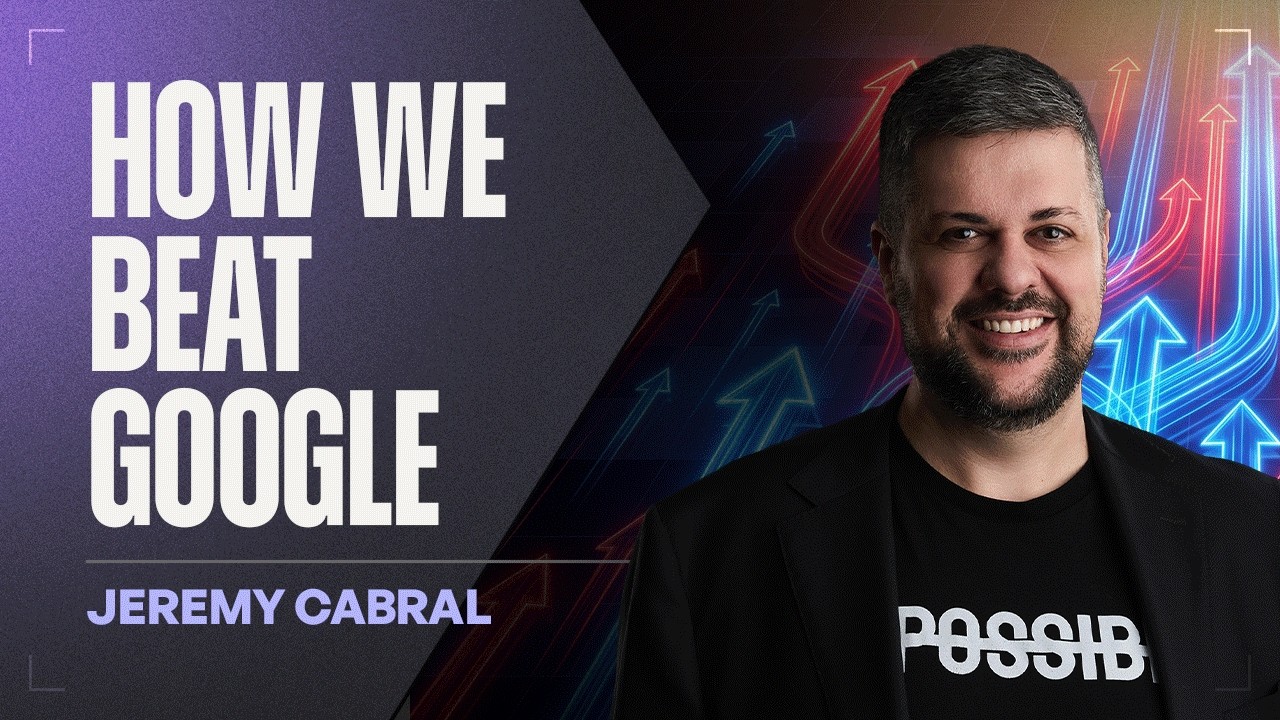
Jeremy Cabral spent 16 years helping grow Finder from a bootstrapped experiment inside Fred and Frank's venture studio into a global comparison brand across 23 countries, passing $100 million in revenue before raising any external capital and eventually raising at a $680 million valuation. He has since left and now advises founders on growth.
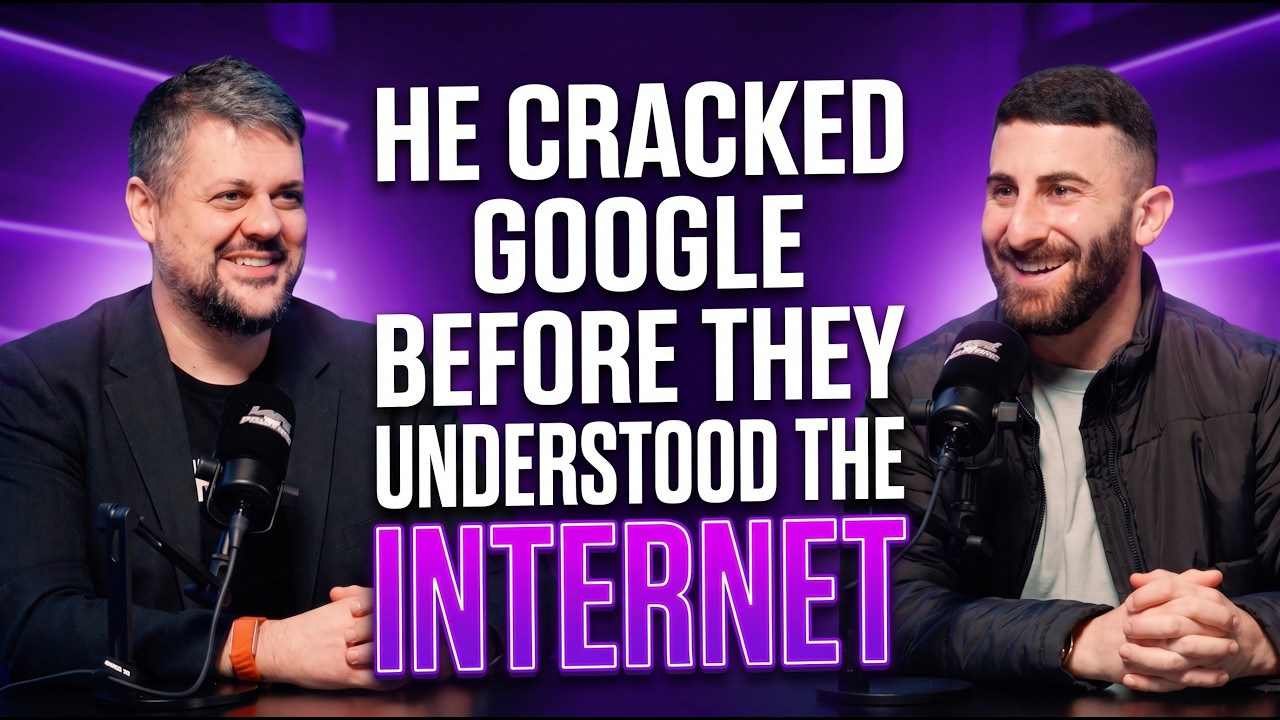
The episode opens on the near-death moment. Finder and every site it owned were hit with a webmaster level penalty and vanished from Google with no notification. With a small chunk of paid traffic keeping the lights on and a few months of runway, Jeremy worked the problem for weeks, eventually getting help from a Google engineer he happened to meet over lunch. He had given up entirely the night before he woke to an email saying traffic would return within 72 hours. The company rebuilt white hat from there and Jeremy says it changed the DNA of the business from taking shortcuts to building foundations.
The rest is a masterclass in earning attention. Sleeping outside the Apple Store to start the iPhone queue and taking a mobile plan comparison site from 1,200 to 127,000 visits in 72 hours. Flying an Obama impersonator to Australia to launch finder.com. Buying finder.com from a domain squatter traced through the public Jerry Seinfeld court case. Getting rejected by his own interviewee on day one in New York. And the Raygun dance competition that gave a national meme a comeback moment.
Key ideas from the episode
- 1
Finder was delisted from Google entirely, with months of runway left
A Google Analytics alert showed no traffic. Every site the company owned had been hit with a webmaster level penalty, with no notification from Google. At about 15 people, with a small chunk of paid traffic keeping the lights on, they had a runway of months. Jeremy spent weeks on it, met a Google engineer over lunch who happened to run a webmaster transparency program, and after giving up entirely woke at 2:30pm to an email saying traffic would return in 72 hours.
- 2
$100 million bootstrapped on almost entirely affiliate revenue
Finder passed $100 million in revenue before raising anything, with close to 100 per cent of it affiliate based. Jeremy's point is that there was no recurring revenue model, so every year started at zero and every click and dollar had to be re-earned. The company later raised at a $680 million valuation.
- 3
Earn the links your competitors cannot buy
Jeremy's SEO position is that if everyone else is buying links, you have to earn them, and the hardest link to earn is one governed by journalistic standards, because no SEO can purchase it. That meant building genuine relationships with journalists over coffee and lunch and helping them progress their publication's goals, effectively running a mini PR agency inside the business. Finder is in the news most days and on TV most weeks.
- 4
Sleeping outside the Apple Store took a site from 1,200 to 127,000 visits in 72 hours
Walking past the Apple Store on George Street, Jeremy noticed the same media pattern every iPhone launch: a story, a news segment, someone holding the first phone. So he started the queue himself, called the office for a chair, and slept out for two nights. Their mobile plan comparison site went from about 1,200 visits a month to 127,000 visits in 72 hours, and they picked up hundreds of publications.
- 5
Every platform has a hook and it is the same hook
Jeremy read a blog post called Linkbait Hooks in 2007 and says nothing has changed. The title tag in a Google listing, the first one or two seconds of a social video, the LinkedIn post before the more link, a subject line, a Gmail preview, even a networking opener. His growth model is to think of the hook first and work backwards from it, then re-hook to carry people through the rest of the content.
- 6
Leadership is not the same as management, and pathways matter
Jeremy argues there are two paths in a company, management and leadership, and leadership can mean leading initiatives rather than people. Providing growth paths that were not management is why he thinks so many people stayed with Finder for over 10 years and kept driving value. He also credits the chief of staff role as a serious game changer for scaling towards nearly 600 employees at peak.
Chapters
- 0:06Meet Jeremy Cabral and the Finder story so far
- 3:19Delisted from Google with months of runway
- 7:36Joining a venture studio experiment called Credit Card Finder
- 11:47Bootstrapping $100 million on almost pure affiliate revenue
- 14:51Finding the variables that matter and inventing into them
- 18:39Sleeping outside the Apple Store to start the iPhone queue
- 20:23Flying an Obama impersonator in to launch finder.com
- 23:56Chief of staff, and leadership that is not people management
- 26:56Buying finder.com and getting rejected in a New York interview
- 29:16Leaving Finder and 350 companies reaching out
- 33:35The Raygun dance competition and manufacturing a moment
- 36:38Energy, burnout and what are you solving for
Full transcript
8,720 wordsWelcome to the Lazy CEO Podcast. I'm Jane Lu. I escaped the corporate grind at 24 and started my own business, Showpo, a global 9-figures online fashion brand. And now I want to share my learnings here with you every Tuesday. So join my conversations with the entrepreneurs behind the iconic brands we all know and love. In between interview weeks, you'll find me talking about hot topics that fascinate me in the world of business and personal development, alternating with Help My Small Business episodes where I deep dive into a small business every month to help them grow. And why the Lazy CEO, you ask? Well, give a lazy person a problem, they'll find the simplest way to solve it. Hey, Poddy fam! This week on the Lazy CEO podcast, I'm sitting with Jeremy Cabral, co-founder of Finder, one of Australia's biggest fintech success stories. Jeremy spent 16 years helping grow Finder from a bootstrap startup to a global brand trusted by millions, expanding into 23 countries and hitting $100 million in revenue before ever raising external capital. And they raised at a valuation of $680 million. He's been through it all, from scrappy beginnings to international expansion. Now Jeremy works with founders and leaders to scale smarter, navigate growth, and make sense of things like AI. In this episode, we get to why SEO feels so confusing for startups and how to approach it without overthinking it. The reality of expanding internationally. Spoiler, you don't just copy and paste what worked at home. And Jeremy takes on leadership, why it's not just about managing people, but owning the initiatives that move the business forward. All right, let's get into it. Welcome Jeremy to the podcast. Um, it's so great to have you. We've known each other for such a long time. It's good to finally get you here.
Yeah, it must be like 10 years now, I think, since we first met. Um, it's a bit meta for me, um, because I remember we sat down in a coffee shop talking about growth hacking this pod before you were launching, or as you had launched or something. Yeah. So, uh, and now it's happened. Yeah, I'm right, I'm right. It's full circle. We're here.
So you are— okay, so I mean, just to give everyone a bit of a background, we've known each other for like— we— it's I don't even know where we exactly met, but I think it's the CEO sleepouts where we've had long lots because it's like basically sleeping out for homelessness for Vinnies. And then you're just like, we're both like not good sleepers. Yeah. And so it's just us two up in the middle of the night, just like kind of circling around.
Doing what we need to do. Yeah.
Yeah.
Yeah. I think we were both early members of CUB, but I remember I think I met you at Somewhere around like StartCon or something like one of those events or something. And we just all started speaking.
We're in that OG, like entrepreneur group. The oldies.
Yeah, the oldies.
Yeah. Wow. So, I mean, I really like— it's incredible what you guys have achieved for Findr. Now you're on a very exciting stage of your journey. Okay, before we get into it, I want to know what your hot mess story is.
I became even more of a hot mess than I already was. You are a hot mess.
Who's the hot mess now? Yeah.
Okay, cool. So Finder's got a fairly public story about this samurai sword and the samurai sword story is very interesting because ultimately at the time Finder's been very well known for its platform, you know, high traffic from Google. And in the early days we were really pushing the boundaries and, you know, getting a lot of speeding tickets, I would say. Yeah. And we got really good at actually unwinding things, fixing the problem and getting back into Google's listings and Yeah, so I think, yeah, some of us would cause the problem and I'd kind of be there trying to put the fire out essentially. So we're all here in Sydney, um, building this site and then all these sites and, uh, I'd built effectively a little academy of graduates coming through and building out credit card comparison sites. Suddenly we get, um, uh, this kind of alert on Google Analytics that we had no traffic and we're like, what's going on here? Look at, you know, go to Google, type in credit card comparison, whatever keyword. Turns out we're literally delisted from Google and all of the websites we owned. It was actually a webmaster level penalty.
Oh my God.
And yeah, intense.
And then that's all you have, nothing else?
No notification from Google actually.
But like without being listed on Google, you have no business.
That's the entire, yeah, exactly. So we're pretty small at the time, like probably like 15 people. Yeah. Um, and went through a process of like losing.
But your business, like at this point, especially it's not like organic social or like, yeah, you're not paying for the clicks. Like it's.
It's, well, we had a small chunk of paid traffic at the time, which was enough to kind of keep the lights on, but like without the organic, we had a runway of like months before it was going to be done. And so, yeah, spent a couple of months really working at trying to fix this problem and ultimately, um, tried everything you could possibly do, uh, and got to this point where we were able to effectively, um, unwind it because I met a Google engineer. Which is a totally random situation. But basically over a lunch I was like, hey, um, got this situation, can you, um, help me out with this thing? They're like, yeah, actually I'm responsible for a program that helps build more webmaster transparency. And, um, yeah, so I went about basically fixing this with a bit of support from a Googler and it got, um, find it back into the index, which is huge. Uh, and that, you know, for me is, it was very, very lucky because there's no way of speaking to a Googler. It just like by chance this happens.
Yeah.
Um, but then We ended up turning the situation around and really rebuilding the business from there to be white hat only. So doing things that were within the guidelines and, um, and focus on brand. And so we really, you know, from there started cleaning up shop and, and focusing on how can we do this in a sustainable way that is going to be safe for the company long term. And, uh, so it was a, yeah, pretty scary because it literally got to the point of me completely giving up. I literally worked about 6, 6:30 in the morning, something like that. All through the night and I'd been doing the same for weeks on end and I just told myself, we're done. Like, I can't do anything anymore here. I couldn't even speak just then. I was like, channeling the tiredness. So yeah, so we're done. And then anyway, I went to bed, woke up at 2:30 in the afternoon, roll over, look at my phone and literally had an email from Google saying, hey, your website traffic is going to return in the next 72 hours. I was like, what? This is insane. So call up Fred and Frank and, you know, swearing my head off like, we're effing back. But like, Yeah, we were back and, um, we had to rebuild from there. And thankfully we did it early and it changed the DNA of our company. Like, honestly, we, we were no longer a company— we, we were a company who was taking shortcuts to get a result, and now it's more about, you know, foundational effort that really drives sustainable growth over a long term.
I feel like everyone has to go through that somewhere. At the start, it's like, fake it till you make it, it's all about the hustle, like, just get it done. Yeah, like, whatever it takes.
Oh, 100%.
Um, it's like Also, you're like, maybe I can claim this, like, you know, like, and you get to the point you're like, you know, you realize though you got to do everything above board, legit, like big picture.
Yeah. Yeah. I think it's like, um, those early tactics get you to traction.
You got to get the money. Yeah.
And then like, you know, before you know it, you've got all these people that like ultimately using your website for really important things. You've got a responsibility. It's like, shit, we need to like level up here, like really improve the product, you know, every aspect of it. Um, and so yeah, your customers kind of force you to be better, which is, um, a cool thing as well.
Yeah, I love that. Okay, well let's wind it back to where did it all start?
Yeah, so, um, Fred and Frank had like a, again, like a venture studio where they had, you know, been launching a—
So Fred also, guys, has been on the podcast before, so can go back to that episode, which we'll link in the show notes.
Yeah. And, um, yes, the guys had built like a venture studio and 27 experiments were running. Um, and one of which was Credit Card Finder. And so a little while into that, I came along and basically, again, as a Google story with that, helped unpenalize the website and ultimately came aboard and got sweat equity in the business and joined as a co-founder. So for me, the journey from there was like just pushing hard, you know, expanding to all the other categories that Finder got into, which is, you know, 100+ categories. And it was really intense. It was like a, I think we, We never—
we—
our invention was like culture. It's like, how do you work hard at a simple kind of variable and like just outscale anybody on that particular thing? We didn't come with a technology innovation at the time. It was like literally just work, outworking everybody. And so we just kept on smashing it. We were publishing like 180 articles a day, which is—
so how did it— okay, so let's— I mean, like, okay, so basically they did— I just want to break it down because I think you're probably like Probably makes more sense for you than everyone else is listening. So basically, that's a comparison website, which is an affiliate marketing website. And so you're recommending credit cards and then it goes into people, everyone taking, like, you're getting a clip of like, yeah, so basically we charge, um, the brands that list on Finder for acquiring new customers.
So similar to like a broker where they kind of get a fee for that.
And then you expanded into other categories for shopping and like Yeah, the 2 Bro Chicks podcast, and they're like, um, what are some of the other—
I mean, cryptocurrency.
Um, I know shopping very well.
Yeah, well, that's how we end up working a bit together as well at some point. Um, so yeah, I think the expansion was like, Finder is, you know, it's got such a huge ceiling as a brand. It's like, what are the limits of it? And we kept on pushing and pushing, pushing, going broader and broader. Um, and you know, shopping started in such a crazy way. I was like, Yeah, we sat there and we're like, you know, there's a really interesting affiliate program here for promo codes, like for retailers. And we're like, all right, let's go and put one page live, which was, you know, one retailer's name with the word promo code on the end. It was like, we ranked them on in Google. It was like, okay, that's wacky. We did it again and again and again. And we're like, this is incredible. Um, so how do we actually do this in a way that we're not just kind of doing this promo code part, but offering value to the brands and building, you know, listings and all this sort of stuff. And So we even had Finder Fashion at one point and, um, yeah, so it went, literally went everywhere. Um, but yeah, I think it's at its core, it's like what the business is about and my DNA and kind of what I focus on is like when there's a channel, how do you master it? How do you, um, control it in such a way that you can then divert it towards, you know, something of value for yourself? So for Finder, it was like driving customers to the brands that listed on the platform. Um, so we had to master content and, you know, the other aspects that go into ranking well in Google, like, you know, PR and link building and having high quality landing pages that were fast and high converting. And so those ingredients when combined can be applied to virtually anything. And, um, and we definitely tested the boundaries on what you could do with that sort of formula, I guess.
But how did you, okay, cause like, I think of how, You know, if someone was to start an affiliate marketing website, it's very hard to get it to be like scalable, right? Because you got to get the traffic. It's like a lot of effort to get. I mean, I think the people, it's almost like back when you started besides like OG big bloggers who would then have affiliate links because they're like, they're like the OG TikTok biggie, TikTokers, influencers, right? Like, you know, it's very hard to get it to be scalable. Like not anyone can just start affiliate website. Like I think a lot of people have an affiliate part of their content business to supplement, like supplement their income, but like not to be like this, you know, multimillion dollar business. So how did you, how did you know it was scalable? How did you get it to scale?
Yeah. So I think ultimately we bootstrapped over $100 mil in rev and it was nearly 100% affiliate revenue, which is kind of wild. Because it meant that every year, like you start from zero, you have to re-earn every single click, every single bit of revenue. There was no recurring revenue model.
Hmm.
And to do that, I think it's about identifying how people are using the internet. And like, I know that's a really like vague thing to say, but to fi— to find out how people are using the internet, there's data you can acquire effectively on how they're searching, what websites they're visiting. Um, and then the behaviors on how they use websites also matter. So Observing like, you know, obviously you have your own website and your own analytics, but you know, I remember observing, um, online flowers and like, how are they selling flowers online? This is fascinating. And like studying those funnels and the experiments they'd run. And so you'd grab like the kind of traffic blueprints, conversion blueprints. And then, you know, as I said, I got to a certain scale with Finder in terms of we were publishing a lot of content. And then I was like, how is quality content created? And like, who creates the best content? And it started with like, you know, what publications do I read? And And then I started meeting with those editors and whatever. And yeah, you get to this formula of like how you repeatedly produce high quality content. Um, and then I think with all of those components, the technology multiplier really matters. It's like in a lot, and I, I often study the kind of the org chart of another business and go, okay, if that's how they're structured, this is what they value and here's their structural inefficiencies. So if, what do you mean? So like if you, for example, had, um, by reporting lines.
Oh, you mean where the heads of are?
Yeah.
It shows what they value.
Exactly. Yeah. And then also shows how difficult or easy it is to make decisions inside a company. And you gotta look at the DNA makeup of the founder and be like, okay, so what are they naturally good at? Mm-hmm. And, um, what's their reporting line look like?
Okay.
They value that person. Right. And so anyways, in the beginning of Finder, I remember looking at one of our competitors, which was pretty much like a traditional finance background. Like everyone had worked in finance, like I think Fred, Frank, and myself, like, I think Frank may have spent a small stint as an accountant, but other than that, we came at this as like ultimately marketers. And so we're like, okay, this platform is built where there's like this monolith application on one side and then, you know, there's a blog over here and it's like, I think one of the innovations that we had early on was like, how do you merge the two together? And so anytime you're getting traffic, you have a funnel towards conversion and It meant that ultimately in the end, for all the landing pages we published, we would always have more volume of, of customers, potential customers driven through to an offer that a bank or an insurer was offering. So when you drive more volume, I think that you get, get a lot more ability to control budgets and who's advertising with you as well.
And, and so how do you drive that volume? Like what, okay. For, and then I guess maybe more, I think SEO and like link building.
Yeah.
Um, it's such like a confusing and gray area for a lot of startups. Like, what, what, what's your advice for like, I guess more startups or like small businesses? Yeah.
Yeah.
So how do you do it? Yeah.
Yeah. So I, I, um, I get extremely tactical. And so for me, the way this is how I think about anything ultimately is what are the variables that matter for this particular channel? So with SEO, it's like, you know, landing page relevance, the speed of the, the, the page. Um, how well it answers the question and meets the intent. Um, and how popular is this page or website or, or company, um, on this particular topic. So they're all variables. And I think that in a meta sense, every single company has the same sort of set of variables in play. It doesn't matter which industry and how companies win is when they invent into these variables that drive growth. And so for us, it was like, okay. How do we solve for link building that's better than our competitors? One of the key things at Finder was like, we became really good at PR. We figured out how to, you know, constantly be in the media. Like you probably see Finder in the news most days on TV, most weeks. That's not normal. In my view, I'm like, that's insane actually. It's almost like having an in-house PR agency inside the business. And, you know, my point on structure before is actually, that's what it takes. You actually have to build like a mini agency inside your business to run that channel. And so that's just the link building component. And then you've got like design and like there's particular designers you should hire that are really conversion focused, which is not easy to come by. Um, and you've got to think about the psychology behind conversion and, you know, psychology behind like making sure people read the content and all this sort of stuff. Um, so when I'm talking about these principles, it's like the reason why I think, you know, in this way is like, if, if I were a Google engineer, how would I design the algorithm and what would I value? And if you can almost put yourself in that mindset and like embody the person that's responsible for the thing that you're trying to, um, I wouldn't say manipulate, but like, yeah, effectively you're trying your best to really push up. Yeah. Like to, to, to crush it in this algorithm. Um, I think you've got to find ways to differentiate and get above the noise. And that looks like doing things in a way that, you know, when others are, I don't always get it wrong as a zigging and zagging, zigging and zagging or whatever. Um, But yeah, I think that's what it's about. So if naturally people are buying links and that's what most SEOs do, then you have to earn links. And so what's the hardest type of link to earn is from the media. Like you've got to build relationships and value and trust with journalists. And so an SEO is probably going to buy links sitting at their computer at home versus someone that's got relationships with journalists that's having coffee and lunches with them, you know, and really building a relationship to help them progress the goals of their publication.
Yeah, absolutely.
You know, it's like you gotta think about the, what's the hardest possible way to do that thing?
Mm.
And then figure out how to do it scalably.
Mm.
So that's my kind of approach to growth.
Hey, Poddy fam. For those of you dreamers out there ready to start building your own online business, the Lazy CEO Business Course is for you. It's 10 modules packed with visuals, live examples, covering everything from sourcing products to marketing. Setting and scaling. You can go at your own pace, revisit lessons whenever you need, and actually see results. If you've been stuck wondering where to start or what to do next, this course gives you the step-by-step guide to finally make it happen. And because you're part of the Poddy fam, grab 20% off with the code PODCAST20. Head to thelazyceo.com and start building your business your way. And so, but I think I've always known, like, my, my first thing when I think of you is, and like Finder in general, it's just like all the cool things you guys have done to get attention. Like the, the growth hacks you've done. Like, you guys like lined, you camped out for the iPhone to write a story about iPhones. And like, tell me about, give me some good like growth hacking, attention seeking stories.
Yeah, I mean, just on that one quickly, like I was walking on George Street in front of the Apple Store.
Yeah.
And you see a pattern. It's like every time there's a new flagship phone launch, or actually only the iPhone at that point, you see the media write about it. The format is like literally there's going to be stories on it. It's going to be on the news. There's going to be someone holding the first iPhone. Um, and it's like you just stare in front of the Apple Store. That could be you.
Yeah.
Right. And all it takes is just, you know, literally grinding it out and sleeping in front of the Apple Store for 2 nights and you get hundreds of publications.
Well, you've already practiced with the CEO Sleep App.
Yeah, it's true. Um, and so Yeah, literally that was it. I was there, I was like, no one's lining up. And I called up the office like, guys, can you bring me a chair?
Like, bring me a chair.
Yeah, literally. I was like, I'm starting the queue. Yeah. And, um, literally sat there and then we're like, now we need a plan. Um, but we know we're gonna get hundreds of publications referencing us.
Yeah.
And, um, yeah, we had—
that's the thing when people these days are like, I'm like, just make a TikTok. And they're like, I don't have time. I'm like, dude, do you know the things you had to do to get content before TikTok?
Oh man, legit. And like, you know, it's kind of, you manufacture the moment ultimately and You know, for me it was like we had a mobile plan comparison website that was launching. Um, we had about 1,200 visits per month. We got to 127,000 visits within 72 hours. Wow. And like literally I'm tingling talking about it cuz like it's pretty nuts when you, the exhaustion level to kind of get to that outcome, but you compress something that might have taken years to get to that goal. Um, and again, like who's gonna do that? Not many people. Um, and, and from my perspective it's like just do what others won't and you'll win. Like, it's just, it's not that hard. And sometimes it's just literally about throwing an enormous amount of effort at something. Um, that is quite a simple concept.
Yeah. What else you got? Give me another one. Yeah, heaps of these.
Um, well, yeah, literally, like, okay, when we launched finder.com, we brought out an Obama impersonator to Australia.
Oh nice.
Went around Circular Quay, like, filming all this content, brought all the, uh, journos to, um, a venue in Surry Hills, and literally You know, everyone was there like taking photos with Obama, like they're going to write about it the next day.
Yeah.
Um, we, um, so that, and then blew up. Oh yeah. Well, I mean, we got the links, like, so when you got it, and this is the thing, it's like, you know, again, on that spectrum is that you can buy links or earn links. And what's the hardest type of link to get is where there's journalistic standards and ethics that you can't buy the link.
Yeah.
You know what I mean? So all SEOs are locked out because they can't buy the link on this domain. Um, so earning those links continuously was a critical strategy. Um, and then, yeah, I just think, uh, what I realized, like I've been, um, doing a few things lately on like growth hacking and kind of going like, I've got a bit more time to think about this stuff. And, um, I was like, nothing's changed. Like there's this blog post I read in 2007 on, it was called Linkbait Hooks. And like, you know, there's like hooks in social and whatever, like the first second or two. Literally, I was reading about this in 2007 for SEO purposes. And it's like, how do you get someone's attention quickly and break through the noise? And, um, that same concept, you know, it's whether it be like the title tag of an article in Google listings and trying to get higher click-through rate, the first 1 or 2 seconds of the hook on a social video, your LinkedIn post before the more, like every platform has a hook.
It's the same.
Oh my God.
It's the same. I just realized, I was like, um, putting in an article the other day and I'm like, I need to have some like title. Just like subject lines.
Yeah.
And like, give me these hooks. And then I realized these are like perfect TikTok hooks.
Yeah.
It's still like, I want a clickbaity article openers. And it's, it's actually the same principles.
I agree. And so like over time we basically realized that too. And so when it comes to like, you know, trying to launch an international business, like you think of the hook and you work backwards from it, you get attention. And what, once you've got attention, what do you do with it? Right. Um, And so, yeah, like we, we got to the top of subreddits. We've, you know, done all these things and, you know, I used to call it content marketing back in the day. Um, but I think, you know, a journalist as well, like, you know, if you, you want to write a story, they've got the headline to work with and that headline decides if you read the article. So, you know, I think in essence, like, you know, really getting good at writing hooks and from a hook you've got attention, you know, then you've got to re-hook and like kind of drive people through the rest of the video or the rest of the article or whatever it might be. But there's almost like one concept for me, like a meta concept for growth. And that's, um, that's how I think about it.
But for everyone, like even B2B sales, emails, like everything these days.
It's the same thing. Subject line, preview on Gmail, opener.
Or even like networking. I feel like you go to an event and it's like, gotta have a strong opener.
Well, that's it.
Like when people go, how are you? Can't just be good.
Yeah, well, that's true, right?
But I'm pretty sorry. Oh, well, this like, you won't believe what happened to me at work today.
Yeah. And it's interesting because like I was talking to someone about this yesterday. It's like. They are always meeting new people every day.
Yeah.
I was like, I think you need a funnel that you, every single new person that you meet gets directed to that thing. It's either, you know, come on my pod or hey, um, like an offer of value. The person's like, oh yeah, dude, I would love that. You know, why wouldn't I say yes to that? And you, you basically give value upfront and then it kind of repositions you, you know, amongst all the people they've met that year as someone that gave enormous value upfront.
Mm-hmm.
And you never know how that's gonna, you know, come back and, and really help you out, you know?
Mm. And so, okay, tell me, what is the most game-changing decision that you've made?
In business?
Yeah.
Um, I think—
Or you can tell me about in life after.
I think, well, there's kind of, yeah, two ways of answering that. Um, they kind of feed each other, but I think a chief of staff role is so high value as you scale where, you know, one of the challenges as a founder is like letting go and, and You got a certain secret sauce and way you do things and you need someone to be like a, a chameleon that learns your method or your mechanism for growing the company. And, um, so for me, I think giving, um, space and an opportunity for someone that's really unique in that role and able to be you when you're not in the room allowed me to scale to ultimately get to hundreds of employees. We nearly had 600 at our peak, I think. And, um, wow. That's just a lot of humans. And, um, the only way you can achieve that is by hiring great people, but also setting them up with the right role. And, um, yeah, that was a serious game changer.
And so how do you know? I think like everyone goes through like, you know, you're having bad hires, getting screwed. There's also moments, I'm not saying like we're all perfect bosses, but like how do you overcome that and then get, you know, like, yeah.
So I think it's kind of, it's interesting as you scale, um, there's people that have been with you for a very long time and they always assume that the pathway up for them is management. And I think there's two pathways for people in a company, management or leadership.
Mm-hmm.
And leadership doesn't mean leading people. It can be leading initiatives.
And so I, oh, this is interesting. Okay. Yeah.
And so I, um, I studied this kind of conceptually and was like, my thing that I did at Finder, I think ultimately why so many people worked with us for over 10 years and also drove value over that entire period of time was that we provided pathways for growth for them, which didn't always look like management. Um, so that's, that's important. Um, and you need these people that are like cultural co-founders that are going to be with you for a long time and really embody what matters to you. And again, like be you when you're not in the room. And, and, um, I think that they kind of weed out crappy hires and, and all this sort of stuff. Um, and also reinforce the culture as well. So I think that's important. But in terms of like hiring the right person, I think, I mean, when I'm interviewing, I do everything to try and convince them not to join me, essentially.
Yeah. It's like, here's all the reasons why you shouldn't work with us.
Yeah, if they're still talking to me on the other side of it, it's like, then I'm like, all right.
Okay, I know a funny story about when you try to do this in America though.
Oh yes, that's true. Yeah.
Okay, wait, I just want to say, I really like— I do really like what you said. Like, I, I actually think that's me. Like, I don't like to— I'm not a good people— I'm not a good people manager.
Yeah.
But then, you know, I like to be— I just think myself in leadership. But I think that way, it, you know, I, I like the way you frame it because normally I would say, you know what, maybe this and that, that person is just more of an individual contributor. Doesn't sound as exciting.
Yeah.
Uh, leadership in initiatives. I like it. Yeah. Tell me about the time, your international expansion moment where you—
Yeah. So, you know, by this stage Finder's doing really well. Um, we actually bought finder.com in a random way. It was like, I remember looking at the charts, I was like, hmm, we need to buy the .com so we can grow internationally. We're growing really fast right now, but I think we'll cap it out. And like, just looking at the data, It was obvious. So we bought it off this guy that was squatting on seinfeld.com. Um, and it was what? It was a dude that was like a domain squatter. So someone that buys domains.
A squatter. Yeah.
Yeah. And holds them. Um, and the only reason we were able to find who he was was because there's a really public court case about Jerry Seinfeld, like basically getting his domain back.
Yeah.
And I traced over the course of a couple of weeks, a contact who knew someone, he knew somebody else, a lawyer in the Cayman Islands. So anyway, bought finder.com. So that unlocked international expansion. Um, and then when we went over there, it's like, we're just going to roll the same playbook and it'll work, right? Um, so Fred and I, we started in Santa Monica and then we decided to move our office to New York. Um, so Fred and I went on this trip to set up over there, um, for about 25 days working out of this Airbnb. Um, I think day one I'd organized to interview someone from our number one competitor, New York-based. Roll into the interview, I was like, hey man, um, yeah, so we're launching here, like, with this role and, uh, yeah, I think you're great for it, you know, so on and so on. Start my kind of normal chat. I think it was about like 14, 15 minutes in, he's like, yeah, look, um, it was great chatting today, man. Like, really wish you all the best with this, um, this venture. Like, but yeah, it's just not for me. And like, basically got shut down.
You got rejected by the interviewee.
Yeah, I got rejected. Like, and I was like, whoa. And like, the pace, like, I was like, man, New York's a whole other level. Yeah. And I was like, and I actually went back to the Airbnb that night. I was like, okay, I did a few interviews that day again, all pretty similar but not that aggressive. I was like, I need to build this company again from scratch.
Yeah.
And so we just started like doing that basically. Like Fred and I just started re-laying the bricks and, um, and literally built it again from scratch over there.
Yeah, New York. But that is very New York. Like, get to the point. Yeah, you gotta like, yeah, hustle. And like, there's no, there's no shying around things.
No, definitely not.
I love that. I mean, I don't love that for you, but it's a good learning. Yeah, I love the story. Okay, so Basically, after 17 years, you've left Finder.
Yeah, so I've decided to move on. Um, it's been a few months now.
That's huge.
It is. Yeah. Yeah.
And what are you, what are you doing now?
Yeah, well, so about a year prior to, um, ultimately leaving, I, I really looked at, you know, how business was changing. Um, I was early to AI, but I wasn't getting enough exposure to I guess seeing what was going to change and how you could change your mechanism towards using it and make it a part of you every day. And so we were doing a bit of Finder and it was good, but for me, I wanted to fully immerse myself in it. In my career, I've always done my, I guess, had my biggest transformations personally when I've ridden these technology waves, whether it be like being early to use the internet, early to build websites, or, you know, early to crypto, all these sorts of things. And I just knew this wasn't just another normal thing. So I was very motivated by that and been doing like a lot of R&D and like hanging out with AI native companies and what they're doing. Um, but yeah, I had this LinkedIn post which blew up. I was like sat with my mate in the Central Coast having lunch and he was like, you should do a public thing saying that you're, um, you're doing advisory for companies. Like, all right, cool. So write two lines, something like I helped, um, Bootstrap find it $100 mil plus in revenue. Um, now I'm teaching others how, apply here. And that was literally it. Killerhawk, to be fair, like we were talking about before. Um, and about 170 companies reached out over the course of a week. And, um, in the last couple of months, it's now probably 350-ish companies. So, geez, I've got this real— I created a data problem for me. I was like, I don't know what to do here. So then started sending all these like forms and like qualifying everyone because like I really like helping people. I want to find a way to help as many people as possible. And so the first thing I started doing was publishing more content. I was like, I'm just sharing like, yeah, how I did it. And, um, that created more of a problem because more companies are reaching out. So like where I'm at is like I'm advising companies. It looks like different things at the moment, like whether it be growth strategy or tech, you know, I ran a bunch of things at Funda. It was growth, operations, product, tech, data science, um, international expansion. So it was like pretty broad remit. I can help across a lot of things, but I think the key is when you get that in a synchronized, like, way that they're all working together to drive growth. And, um, yeah, so yeah, it's been a heap of fun actually. Like, I've had so many conversations and got real visibility of what's working right now, which is cool.
That's exciting. So, and it's just something that we've spoken about, and then I know you speak about a lot, is like for companies to identify that flywheel.
Yeah.
Um, and then to get it into momentum, like to get it flying, like how for like, you know, for a small business listening, like what's your advice for like how to identify it?
Yeah.
How to get, how to get a spin?
Yeah. Like look at the best players in the space, your competitors, whatever they're doing. It's, it's, everything's in public mostly. Um, literally go through a sales call, like do, do whatever it takes to get the information you need or get a friend to do it if you're not comfortable. Um, but map it all out and there's a blueprint there of what's working for them. Like And you know what's working, but normally by how many staff they have, sometimes they have too many staff, but if you can see a company's like got X amount of traffic and has 50+ employees, you're probably like, wow, it's by these numbers. I'm guessing this is their revenue. And yeah, just kind of map their funnel and every company has a funnel, like whether it be an e-com business all the way through to a cart, a services business, the contact form and the qualification you do in that step. And what does the first call look like? I think. You know, mapping the funnel and then for each part of that funnel, when it becomes a flywheel is when each step makes the following step move more quickly. So you get momentum. So for me, when we're talking about Finder, like we, we knew that the more times we published content when we had a keyword that we didn't have a page live for, the more traffic we would get. More traffic meant to, meant that we'd have more people comparing, more comparisons meant, you know, more products applied for. More partners wouldn't come, you know, come on the website to have their brand listed because we had so much demand, you know. And, um, so, you know, that kind of first bit about generating more traffic was, I guess, the beginning of, beginning of that momentum for, for driving a flywheel.
Yeah, interesting. Yeah, I just remember something else that you guys have done that's very clever for attention. And the last time I worked with Finder, it was just after the Olympics.
Yeah.
And Raygun blew up.
Oh, yeah.
And in that exact moment, like just after she— just after it was over, you guys got Raygun.
Yeah.
And you did a Raygun dancing competition and then you looked at who else can we get to capture the market? The Purple Wiggle, John Pearce, who's like the most— well, besides Emma Wiggle, I guess, but like the, you know, the Wiggle that everyone loves. Yeah. And then me as I guess the judge, like to Yeah, as a judge, you know, and then, and Fred as well. And I think it's like very good dissection of the market. Like you're kind of covering like, you know, a wide group of people and just to put that together, like to really, it's like, it's very original.
Yeah. Well, I think I can't take credit for the idea of engaging Raygun. I think that was like, you know, really clever. The marketing team had come up with that concept. And then I got invited into the room and I was like, and I saw like rates and like, you know, what's the investment like to kind of pull this off? And again, like on that concept of inventing into the situation there, I was like, it needs a mechanism that drives virality. And so I came with the concept of dance competition because you're ultimately tapping into the fact that people felt they could dance better than Ray Gun. Like that was like what everyone in society was saying. And I think that's the meme. That was the meme, right? And we had an opportunity actually to, to really help Rae Gunn in that moment to kind of own it. And yeah, it kind of became a little bit of a comeback moment for her, I think.
Yeah.
Yeah, she really helped her. And yeah, it obviously crushed it. Like, you know, I think NFL players were, you know, doing the Rae Gunn kangaroo and all this stuff.
She was very lovely.
Yeah, she is. And yeah, so I think, as I said, it just always doesn't matter what it is, like a TV ad, a brand campaign, whatever, you've got to find these things that get your brand above the noise. Find the variables that matter for that channel or that investment and invent into them. And it's not easy to do, but you've got to think laterally and I think draw inspiration from outside of your own industry. Like find playbooks that work in another industry and apply them to yours. Like it's, it's the way to do it.
I always say that if you want to be creative and you're not that creative, take it, take an idea from a different industry and make it your own.
Oh, ultimately everything's a remix, honestly. Like it's it's, it's no one can claim credit. I think it's like bringing together that mix in a way that makes it your own recipe.
Yeah.
Um, and in that moment and the right timing is, is the key. And, um, yeah, so I see growth as a fairly, um, easy thing. It's the hard thing is that nobody likes doing simple things forever. And the more focus you can remain on that one variable, that one growth lever over time, you get to a certain scale that it just crushes. But like, if you lose focus and you don't invest in it and you move on to the next thing because you get lazy or, or bored, um, I don't think you get the rewards. So, um, yes, consistency over time really pays.
Yeah, yeah, absolutely. Okay, before we wrap up, two quick questions. What's one thing you wish you knew earlier?
Yeah, so, um, on the health side and life, you know, I think that energy is everything and you've got to invest in the foundations that allow you to sustain effort over time. So if that looks like, you know, having a gym routine or like having a level of balance or a way to kind of, you know, deal with emotional energy that is pent up or whatever, that for me is critical. And I think pushing hard and building a company, you can really get to moments of burnout. And I think it's largely avoidable or able to be deferred or managed. I often think that burnout's probably necessary, but if you can make it less serious each time, it's like, you know, smaller, like you know, yeah, the hills and versus like these big crashes. Um, and that's critical. And so having the right support team around you, whether it be a coach, you know, um, a PT, great friends, and it's like having an outlet to really, you know, do that. Um, and it takes being selfish, I think, you know, really prioritizing yourself and making sure that you are doing things that are good for yourself. And I think that the word selfish gets a negative rap, but, um, there's so many positive nodes of that word of like self-care and yeah, being selfless and whatever.
So I think I've never reached actual burnout, and not because I'm like stronger, because I'm like lazy and weak as fuck. I think I've never reached burnout because I've always just been like, if I get there, I'm like, you know what, I'm not saving lives, let's just not, let's just do it next week.
Reality check, kind of thing. It's not that bad. Yeah, yeah, totally. Um, yeah, and in terms of advice that I received in business, um, there was such a simple phrase that Scott Farquhar from Atlassian once said to me, which was And it's honestly, I probably read too deeply into it and made my own meaning around it, but he said, what are you solving for? And it basically made me turn every single problem in my life into an equation and in business into an equation. So you're like going, okay, if I'm solving for this and you break apart the pieces and it makes complex things easy and you break apart these pieces and you go like, what's most important and what's not, you know, you build this almost matrix of considerations and Yeah, I think it's like when you, when you treat everything like a problem, like an equation, you're ultimately solving for an outcome. And I think having that methodical way of doing it every time is extremely powerful. So, um, yeah, often people, you know, different ways of making decisions, but I'm like quite considered and, um, and I like to, to know that objectively when I make a decision, it's going to be a good one.
So yeah, I agree. Thank you.
Oh, thank you.
It was awesome. Get you back for Help My Small Business.
Yes, absolutely.
Let's go. Okay, that's it from me for now. Thanks for listening. If you're loving the podcast, don't forget to follow, and I would love it if you can do me a favor and leave us a review. And if you want more, join the conversation on the podcast Instagram @thelazyceo_podcast, all linked in the show notes. Catch you next Tuesday.